For years, the BS 546 plug was seen as a relic of older electrical installations, something you would only expect to find in period properties or specialist applications.
But recently, it has been making a quiet comeback.
And not by accident.
A Shift Back to Lighting-Centric Design
Modern electrical design, particularly in higher-end new builds and renovations, is moving away from purely socket-driven layouts and back toward controlled lighting circuits.
A common setup now looks like this:
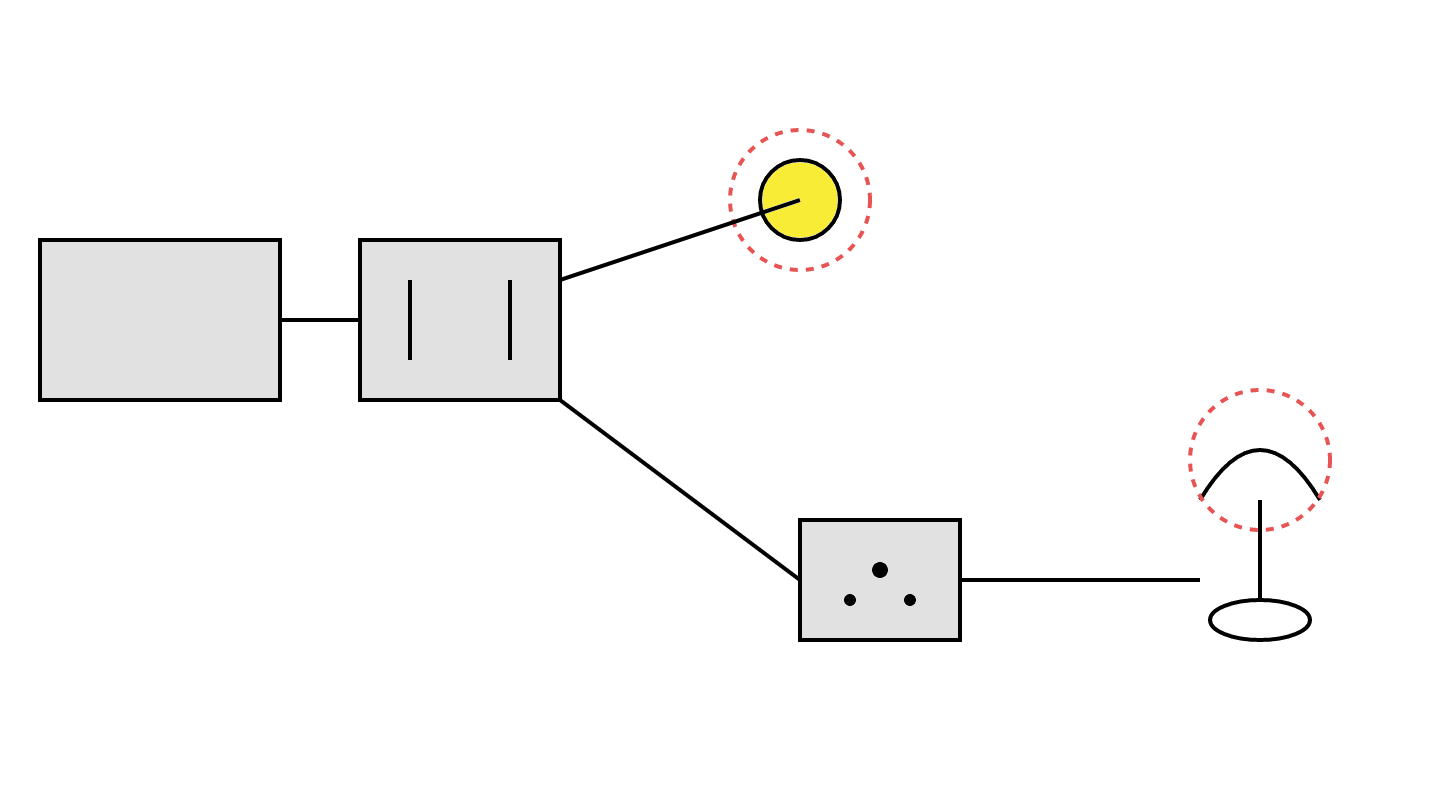
- A lighting circuit feeds a 2 gang switch.
- One gang controls the main ceiling lights.
- The second gang feeds one or more BS 546 sockets, typically 5A.
- These sockets supply table lamps, floor lamps, or decorative lighting.
The result is simple. All lighting, including lamps, can be controlled from a single switch.
That is a big shift from the typical modern approach of plugging lamps into 13A sockets and controlling them individually.
Why BS 546 Works So Well for This
The resurgence is not about nostalgia. It is about functionality.
The BS 546 system is ideal for lighting circuits because:
- It has a lower current rating, usually 5A, which makes it well suited to lighting loads.
- The round pin design is not interchangeable with 13A plugs, which helps prevent misuse.
- It is compact and discreet, and is often used with decorative accessories in higher-end installs.
- It suits radial lighting circuits, making it a natural fit for switched lamp circuits and lighting control schemes.
The Smart Lighting Angle
There is also a more modern reason for the renewed interest in BS 546 accessories.
With the rise of smart lighting systems, BS 546 sockets are increasingly being used to create dedicated lighting zones for lamps and feature lighting.
In this type of arrangement:
- A smart relay or lighting control module feeds the BS 546 circuit.
- Lamps plugged into these sockets become part of a single controllable group.
- Scenes such as evening, relax, or all off can then be triggered by wall switches, apps, timers, or voice control.
This can remove the need for individual smart plugs or smart bulbs on every lamp.
The result is a cleaner installation, more consistent control, and a more intentional lighting design.
Why It Is Growing in Popularity
We are seeing BS 546 specified more often because it solves several problems at once.
- Cleaner aesthetics, with no visible smart plugs or bulky adapters.
- Centralised control, with one switch controlling multiple light sources.
- Safety by design, because the accessory is clearly intended for lighting loads rather than general use.
- Compatibility with modern smart control systems, while still working perfectly well as a traditional switched lighting arrangement.
It is particularly well suited to:
- Higher-end residential projects.
- Renovations of period properties.
- Architect-led new builds.
- Interior schemes where lighting plays a major part in the finished result.
A Note for Electricians and Testers
From an inspection and testing point of view, these installations are worth understanding properly.
You may come across BS 546 sockets in otherwise modern properties, and they can look unusual if you are not expecting them. However, their presence does not automatically suggest an outdated installation. In many cases, it reflects deliberate design.
It is also important to remember that equipment connected via BS 546 plugs is still just electrical equipment. A lamp plugged into a BS 546 socket is still assessed in the same way as any other lamp, depending on its construction and class of equipment.
The main difference is the circuit arrangement. These outlets are usually connected to a 6A lighting circuit, rather than a 32A power circuit, so the purpose of the installation is much more specific.
Final Thoughts
The return of the BS 546 plug is a good example of the industry rediscovering a solution that already worked well.
Sometimes progress is not about adding more technology. Sometimes it is about using the right standard in the right place.
For switched lamp circuits, decorative lighting, and smart lighting zones, BS 546 still makes a lot of sense.

2 Comments
mike · September 21, 2026 at 1:18 pm
How does this sit with the plug and socket regulations that only allow equipment with plugs for domestic purposes, to be sold with a 13A plug. Should we be lobbying to get that legislation revised or repealed.
Charlie · September 21, 2026 at 9:28 pm
It’s an interesting point, although I don’t think the legislation is quite as restrictive as that.
The requirement for a BS 1363 plug applies to domestic equipment intended to be connected to a BS 1363 socket outlet. BS 546 round-pin plugs and sockets are themselves still recognised within the Plugs and Sockets Regulations.
In practice, though, I still see BS 546 as a fairly niche application. Most table and floor lamps are naturally going to be supplied with a BS 1363 plug because that’s what the overwhelming majority of customers need.
Where a lamp is being used on a dedicated BS 546 lighting outlet, changing the plug is hardly a major obstacle. If the market ever became large enough for manufacturers or retailers to see value in supplying BS 546-equipped versions directly, I’m sure they would deal with any regulatory or standards issues that arose.
So personally, I don’t see a pressing case for changing the legislation purely because BS 546 lamp outlets are seeing a modest resurgence.