A new national study from the Institution of Engineering and Technology (IET) has revealed a worrying truth about electrical safety in the UK (source):
Most people think their homes are safe, but many haven’t checked in years.
According to the research, 79% of adults feel confident about the electrical safety of their home.
Yet in reality:
- Only 30% have had their electrics checked in over 10 years
- 20.1% did not even know checks were required
This gap between perception and reality is what the IET is calling a growing confidence gap. It could be putting millions of homes at risk.
The hidden risk behind the walls
Electricity is largely invisible. Unlike a leaking pipe or a cracked wall, electrical faults often give little to no warning.
That is what makes this particularly dangerous.
In England alone:
- Around 19,300 accidental domestic fires each year are linked to electricity
- That is roughly 53% of all accidental house fires
These are not rare edge cases. They are everyday risks, often caused by:
- Aging wiring
- Overloaded sockets
- Poor DIY work
- Undetected faults
Modern homes, bigger electrical demands
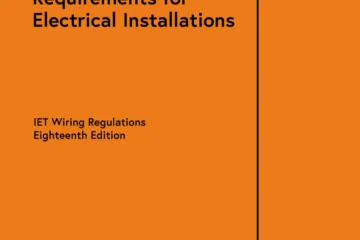
The warning comes alongside a major update to the UK’s wiring rules:
This latest amendment reflects how much our homes have changed:
- Smart home systems powered by Power over Ethernet
- Increasing use of battery storage systems
- More devices than ever drawing power simultaneously
Put simply:
Homes are under more electrical load than ever before, and many installations were not designed for it.
Falling confidence, rising risky behaviour
One of the most surprising findings is that people are less confident with basic electrical tasks, but still taking bigger risks.
Among younger adults:
- 55% of 18–24-year-olds have never changed a lightbulb
Across the wider public, risky behaviour is still common:
- 27% have replaced sockets or switches
- 18.7% have installed new lighting
- 6% have attempted rewiring
These are not minor tasks. They are potentially dangerous jobs that should be carried out by qualified electricians.
Everyday habits that increase fire risk
The biggest risks are not always dramatic DIY jobs. They are often small, repeated behaviours.
The study found:
- 34.6% leave chargers or appliances plugged in overnight
- 18.3% daisy-chain extension leads
- 10.9% use damaged sockets
- 14.6% tape over damaged cables
- 5.9% ignore warning signs such as burning smells or buzzing
These behaviours may feel harmless, but they are common causes of electrical fires and faults.
Why the “it looks fine” mindset is dangerous
One of the biggest issues is the assumption that if nothing looks wrong, everything must be fine.
But electrical systems do not work like that.
- Wiring degrades over time
- Connections loosen
- Faults develop behind walls and ceilings
By the time visible signs appear, the risk is often already significant.
When should you get your electrics checked?
The general guidance is simple:
- At least every 10 years for homeowners
- More frequently if:
- You have recently bought the property
- The installation is older
- You are noticing warning signs
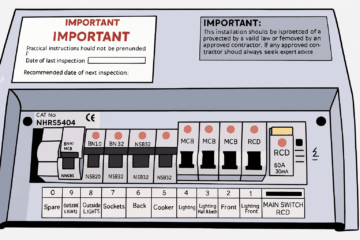
This is typically done through an Electrical Installation Condition Report (EICR) carried out by a competent electrician.
The real takeaway
This is not about scaring people. It is about correcting a false sense of security.
The reality is:
- Electrical risks are common, not rare
- Most homes go too long without inspection
- Everyday habits quietly increase danger
And the biggest issue of all?
People do not realise there is a problem until it is too late.
Final thought
The IET’s message is clear:
Electrical safety is not about how safe your home feels, it is about when it was last properly checked.
If it has been 10 years or more, or you are not sure, it is probably time to find out.
For more information, visit the IET’s electrical safety campaign.
Source: Institution of Engineering and Technology (IET), 2026 electrical safety research.
0 Comments