Do you need to be an electrician to carry out PAT testing? Is using a pass/fail tester enough, or should you be able to interpret electrical readings?
HSE addresses this in HSG107: Maintaining portable electrical equipment, which describes two levels of competency for people testing portable electrical equipment.
Understanding this distinction helps employers choose appropriate training and assess whether someone has the knowledge and skills for the work they are expected to carry out.
What is Level 1 PAT testing competency?
In paragraph 50, HSE describes Level 1 as someone without electrical skills using a simple pass/fail portable appliance tester, where interpreting numerical readings is unnecessary.
The person must know how to operate the tester correctly, follow appropriate procedures rigorously and work to clearly defined acceptance criteria. Source: HSE HSG107, page 15, paragraph 50.
Level 1 therefore involves more than pressing a button and attaching a sticker. The operator needs suitable instruction and clear procedures for the equipment being tested.
What is Level 2 PAT testing competency?
HSE describes Level 2 as someone with appropriate electrical skills using an instrument that produces readings requiring interpretation. Their competence must be supported by technical knowledge or experience relevant to the work. Source: HSE HSG107, paragraph 50.
The distinction is about the person’s ability to interpret the results, alongside operating the instrument correctly. Owning a tester that displays numerical readings does not, by itself, establish Level 2 competency.
Is Level 1 only suitable for low-risk environments?
HSE does not state that restriction in its Level 1 definition. Paragraph 50 distinguishes the two levels by the operator’s skills and whether readings require interpretation. Source: HSE HSG107.
HSE’s PAT FAQs discuss low-risk environments separately. They explain that suitably knowledgeable and trained staff can undertake visual inspections in many low-risk workplaces. Combined inspection and testing requires greater knowledge and experience, appropriate equipment, correct operation and an understanding of the results. Source: HSE PAT FAQs.
It would therefore be misleading to present “Level 1 is only permitted in low-risk environments” as an HSE rule. Employers need to consider whether the person’s competence, equipment and procedures are suitable for the actual work.
Are these the same as Level 1 and Level 2 qualifications?
HSG107 describes levels of competency. Paragraph 50 does not establish qualification levels or specify a particular course certificate. Source: HSE HSG107.
When choosing training, look beyond the course title. Consider what delegates are taught, which equipment they use and how their practical understanding is assessed.
Does a pass result mean the appliance is safe?
A tester’s pass indication does not replace a visual inspection.
HSE explains that some electrical safety defects can only be found by testing, while others cannot be detected by testing alone. Visual inspection is therefore an essential part of the process. Source: HSE PAT FAQs.
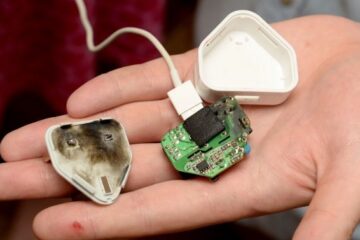
For example, damage to a plug or cable must not be ignored simply because the instrument displays “pass”.
What should employers look for?
Before assigning inspection and testing work, consider whether the person can:
- Carry out an appropriate visual inspection.
- Use the test equipment correctly.
- Follow procedures suitable for the appliances being checked.
- Understand the results to the extent required by the task.
- Recognise the limits of their knowledge and seek help when necessary.
HSE places responsibility on the employer to ensure people testing equipment are competent for their assigned work. It also highlights the need for people carrying out inspections to recognise the limits of their knowledge and experience. Source: HSE HSG107, paragraphs 40 and 50.
PAT testing training with GetTesting
GetTesting courses use PAT testers that display numerical readings, and delegates are taught how to interpret those results rather than relying solely on a pass/fail indication.
This aligns with the Level 2 competency approach described in HSE’s HSG107: using test equipment that produces readings requiring interpretation.
Our practical, trainer-led training covers visual inspection, correct use of the test equipment and understanding what the readings mean when assessing an appliance.
Successful completion can form part of your evidence of competence for the inspection and testing work covered.
Explore our PAT testing course dates to find a course near you.


0 Comments